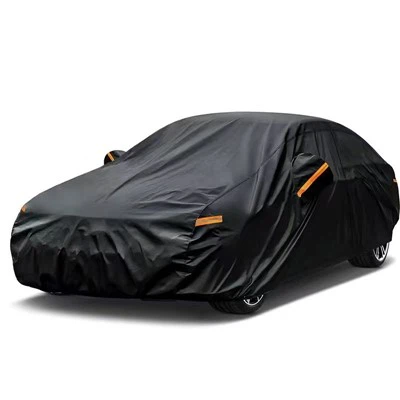

As a supplier of grill covers, I understand the importance of proper ventilation for these essential accessories. A well - ventilated grill cover not only protects your grill but also extends its lifespan by preventing the build - up of moisture, mold, and rust. In this blog, I'll share some key strategies to ensure your grill cover is properly ventilated.
Understanding the Need for Ventilation
Before delving into the methods of ensuring ventilation, it's crucial to understand why it matters. When a grill is covered, air can become trapped inside. This can lead to condensation, especially in areas with high humidity or significant temperature fluctuations. Condensation can cause rust on the grill's metal parts, damage the finish, and even promote the growth of mold and mildew. Proper ventilation allows air to circulate, reducing the risk of these issues.
Design Features for Ventilation
One of the most effective ways to ensure ventilation is through the design of the grill cover itself.
Mesh Panels
Many of our grill covers, such as the Square Grill Cover, are equipped with mesh panels. These panels are strategically placed to allow air to flow in and out of the cover. The mesh material is fine enough to keep out debris and pests while still permitting air circulation. For example, on the sides or top of the cover, mesh panels can be installed to create a natural draft. This draft helps to expel moist air and bring in fresh air, maintaining a dry environment inside the cover.
Vents
Vents are another important design feature. Our T - shaped Grill Cover has well - designed vents that are engineered to optimize air movement. Vents can be located at the bottom or top of the cover. Bottom vents allow cool air to enter, while top vents let warm, moist air escape. This creates a convection current, similar to how a chimney works. The size and placement of the vents are carefully considered to ensure maximum ventilation without compromising the cover's ability to protect the grill from the elements.
Placement and Usage
Proper placement and usage of the grill cover also play a significant role in ventilation.
Positioning the Grill
When covering your grill, make sure it is placed in a well - ventilated area. Avoid placing the grill against a wall or in a corner where air circulation is restricted. For instance, if you have a Round Grill Cover on a round grill, position the grill in an open space in your backyard. This allows air to flow freely around the cover, enhancing ventilation.


Leaving Space
Don't cover the grill too tightly. Leave some space between the cover and the grill. This space acts as an air buffer, allowing air to move more easily. You can use small spacers or simply adjust the cover so that it is not hugging the grill too closely. This simple step can significantly improve ventilation.
Maintenance for Ventilation
Regular maintenance of the grill cover is essential to keep the ventilation features working effectively.
Cleaning the Mesh and Vents
Over time, the mesh panels and vents can get clogged with dust, leaves, and other debris. It's important to clean them regularly. You can use a soft brush or a vacuum cleaner with a brush attachment to remove any dirt or debris from the mesh and vents. This ensures that air can flow through them unobstructed.
Inspecting for Damage
Periodically inspect the grill cover for any signs of damage to the ventilation features. If the mesh is torn or the vents are blocked due to damage, it can impede ventilation. If you notice any damage, repair or replace the cover as soon as possible.
Monitoring the Environment
The environment in which the grill is placed can also impact ventilation.
Humidity and Temperature
Be aware of the humidity and temperature in your area. In areas with high humidity, you may need to take extra precautions to ensure proper ventilation. For example, you can use a dehumidifier near the grill if possible. In cold weather, make sure the cover is not frozen shut, as this can prevent air from flowing.
Wind Direction
Take into account the wind direction in your outdoor space. Position the grill and cover in a way that takes advantage of natural wind flow. This can enhance the ventilation of the cover.
Conclusion
Ensuring proper ventilation for your grill cover is a multi - faceted process that involves the design of the cover, its placement, maintenance, and consideration of the environment. By following these strategies, you can protect your grill from the damaging effects of moisture and extend its lifespan.
If you're interested in purchasing high - quality grill covers with excellent ventilation features, we invite you to contact us for procurement and further discussions. We're committed to providing the best products and services to meet your needs.
References
- Grill Maintenance Guides from industry experts
- Research on the effects of moisture on grills and the importance of ventilation